

Architecture Is the Capitalized Value of an Idea—Built
Why the difference between imagination and architecture isn’t creativity, but survival—through underwriting, constraint, and time.

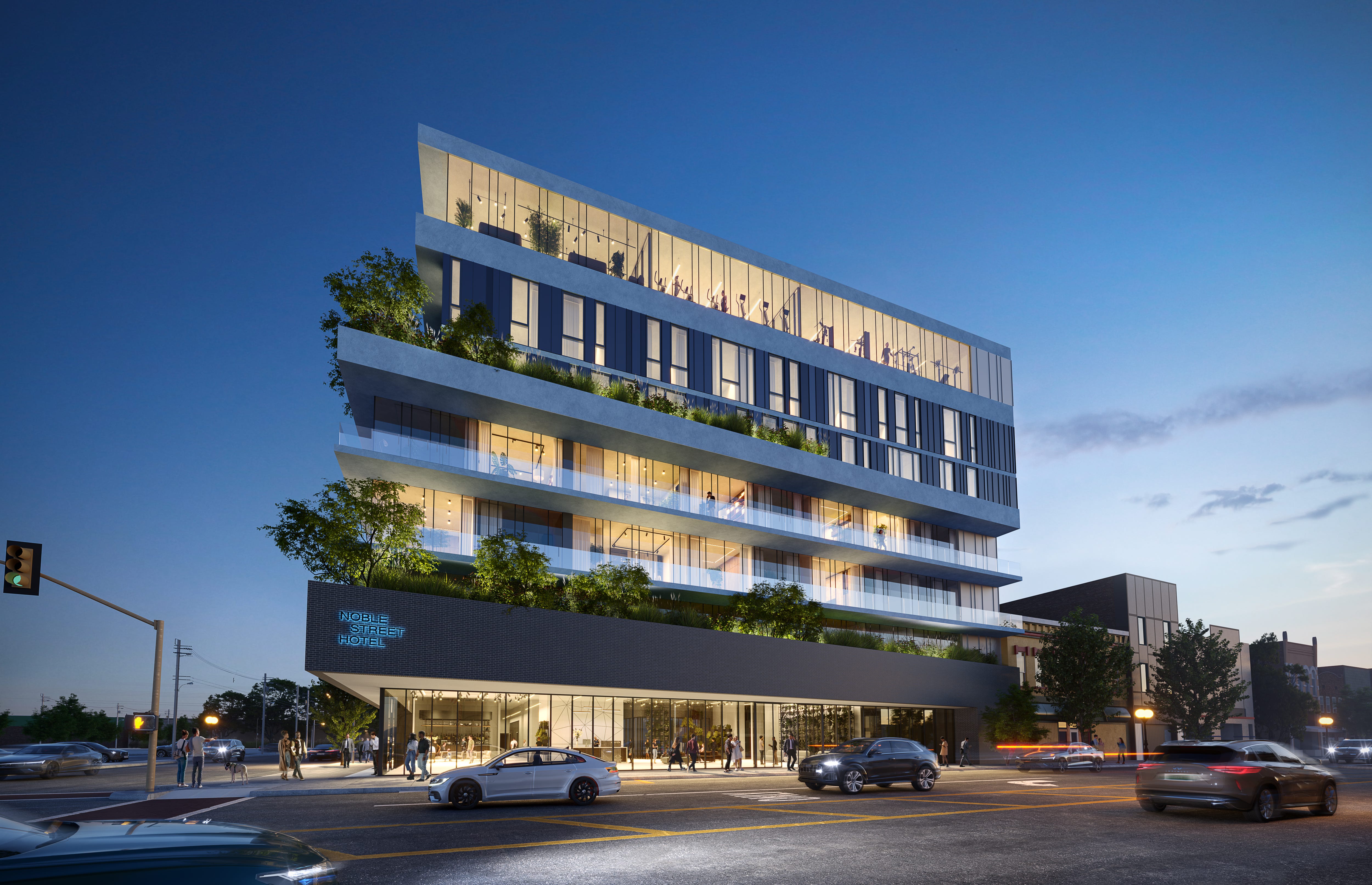
Architecture is the capitalized value of an idea—built.
Or said more plainly: value is just imagination that cleared underwriting.
That distinction matters. Because the world is full of ideas—ambitious, beautiful, and doomed. What separates architecture from imagination is not creativity, but survival. Survival through underwriting. Through zoning. Through construction. Through time.
Most ideas never make it that far.
The Drawing Is Not the Beginning
Architecture does not begin with drawings.
Drawings are evidence—proof that a series of decisions has already been made. Long before a line appears on paper, architecture is negotiated in quieter rooms: with lenders evaluating risk, cities enforcing codes, contractors testing feasibility, and investors asking a single, unromantic question: Why this, and why now?
What gets built is not the most expressive idea in the room. It is the one that can withstand pressure from every direction at once.
If an idea cannot be financed, it will not exist.
If it cannot be entitled, it will not be approved.
If it cannot be built, it will not stand.
If it cannot operate, it will not last.
Architecture exists only when imagination survives all four.
What “Less Is More” Really Meant
When Ludwig Mies van der Rohe said “less is more,” he was not talking about minimalism as a style. He was talking about discipline.
Less was not aesthetic restraint. It was intellectual restraint. An insistence that every element justify its presence—structurally, spatially, economically. Mies removed anything that did not earn its place. Not because he lacked imagination, but because he respected reality.
That philosophy translates cleanly to capital.
Underwriting performs the same function Mies demanded of structure: it strips away what cannot carry weight. It exposes weakness early. It forces clarity. And when an idea survives that process, it emerges stronger—simpler, sharper, and more inevitable.
In that sense, underwriting is not the enemy of architecture. It is one of its most rigorous editors.
Underwriting as Design
Most development failures occur long before construction begins. They happen in feasibility studies, entitlement reviews, and financing committees—where ideas are tested not for beauty, but for coherence.
Underwriting asks blunt questions. Where does the revenue come from? What risk is being taken? What problem does this solve better than anything else?
Design answers those questions—whether intentionally or not.
When lenders press on revenue, design responds with program and market fit.
When cities ask about impact, design responds with urban contribution.
When contractors ask how it will be built, design responds with logic.
When investors ask why a project deserves capital, design responds with clarity.
That exchange is architecture.
Buildings as Financial Instruments
Every building is a balance sheet you can walk through.
Square footage is exposure.
Structure is capital allocation.
Materials are long-term operating decisions.
Circulation is efficiency.
Identity is market positioning.
When architecture is successful, you don’t notice these calculations. You feel their resolution. When it fails, the financial confusion becomes visible everywhere—awkward plans, compromised materials, value engineering disguised as intent.
Great architecture hides its financial intelligence in plain sight.
Cost Is Not the Same as Value
Price is what you pay. Value is what remains.
That distinction is obvious in theory and ignored in practice. The cheapest solution often proves the most expensive over time, while the clearest idea—properly capitalized—compounds.
Value emerges when design aligns market demand with spatial logic, brand with experience, and capital with purpose. The projects that endure are not those that survive budget meetings, but those that survive time.
Some buildings feel obsolete the day they open. Others age gracefully. The difference is not money. It is intention.
Architecture as Risk Management
At its core, architecture is applied risk management.
Design mitigates regulatory risk through entitlement strategy.
Construction risk through clarity and coordination.
Market risk through differentiation.
Operational risk through spatial intelligence.
Early design decisions—made when drawings are still abstract—often influence the vast majority of a project’s long-term cost and performance, while representing only a fraction of total spend. That asymmetry is where architecture earns its keep.
Seen this way, architecture is not a cost center. It is a form of insurance—one that protects upside as much as it limits downside.
Why Visionary Design Performs
Visionary design is often mistaken for indulgence. In reality, it is efficient.
It creates clarity in crowded markets. It makes projects legible—to users, cities, and capital alike. It reduces friction, accelerates adoption, and builds identity that outlasts novelty.
Visionary design does not fight the pro forma.
It makes the pro forma work harder.
That is not aesthetics. That is performance.
The Only Ideas That Matter
The world does not suffer from a lack of ideas. It suffers from a lack of ideas willing to be tested.
The only ideas that matter are the ones that survive underwriting—not by shrinking, but by proving themselves. They earn their way into existence. They justify their footprint, their cost, and their place in the city.
Architecture is the capitalized value of an idea—built.
Everything else is imagination.